Featured
What Does "Debt Forgiveness Destroys Your Life" Corrected...
Safeguarding Yourself Against Bankruptcy Counseling Preda...
Little Known Questions About ROI of Professional Debt Cou...
Emerging Legislation That Will Transform How Bankruptcy C...
Safeguarding Yourself Against Bankruptcy Counseling Predatory Practices Fundamentals Explained
Table of Contents
While new debt can help you rebuild, it is very important to space out your applications. If you have a family member or good friend with stellar credit rating, think about inquiring to add you as a licensed user on one of their credit score cards. If they do it, the complete history of the account will certainly be included in your credit history records.

Prior to you consider debt settlement or bankruptcy, it is very important to understand the prospective benefits and drawbacks and exactly how they might put on your situation. Here's what to bear in mind. Both options can decrease or get rid of big parts of unprotected financial debt, helping you avoid years of uncontrollable payments. Settling a financial obligation or declare bankruptcy can quit suits, wage garnishments, and hostile financial institution activities.
If you're unsure that financial debt negotiation or personal bankruptcy is appropriate for you, below are a few other financial obligation alleviation options to consider. The ideal way will rely on your scenario and goals. If you have some versatility with your budget, here are some accelerated financial obligation payment choices you can seek: Beginning by detailing your financial debts from the smallest to the biggest balance.
The Best Strategy To Use For Does Debt Forgiveness Work for Your Case
The counselor discusses with lenders to lower rates of interest, waive late charges, and create a convenient month-to-month repayment. You make one consolidated repayment to the firm, which then pays your economic establishments. While a DMP does not lower the primary balance, it helps you settle financial debt quicker and a lot more cost effectively, normally within three to five years.
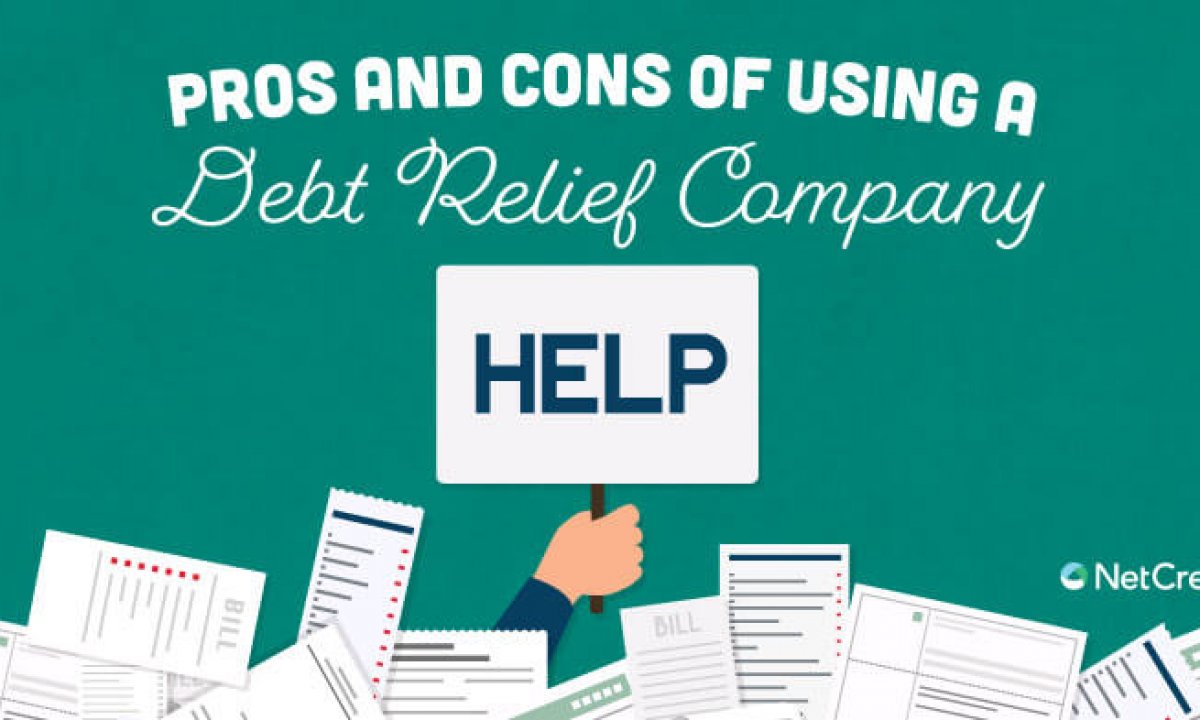
While you can negotiate with creditors by yourself, it's typically a complicated and time-consuming procedure, especially if you need to settle a large amount of debt throughout a number of accounts. The procedure needs a solid understanding of your funds and the creditor's terms as well as confidence and persistence. Therefore, there are financial obligation alleviation firms likewise called financial obligation settlement companies that can take care of the settlements for you.
People who register in debt alleviation programs have, usually, roughly $28,000 of unsafe debt throughout nearly 7 accounts, according to an evaluation commissioned by the American Association for Financial Debt Resolution, which considered clients of 10 significant financial debt relief business between 2011 and 2020. About three-quarters of those clients had at the very least one financial obligation account efficiently resolved, with the regular enrollee working out 3.8 accounts and even more than half of their enlisted financial debt.
It's typical for your credit history to fall when you initially begin the financial debt alleviation procedure, specifically if you quit paying to your creditors. As each financial debt is resolved, your credit rating rating need to start to rebound. Be sure you recognize the complete prices and the impact on your credit scores when examining if financial obligation negotiation is the ideal selection.
How to Get Started Today Can Be Fun For Everyone
As discussed above, there are options to financial obligation settlement that may be a much better fit for your economic scenario. This approach transforms numerous financial obligations into a single month-to-month settlement and frequently supplies a lower rate of interest rate, streamlining your funds and potentially conserving you money over time.
Here's just how each one jobs: Financial debt loan consolidation fundings: These are individual financings that you can make use of to settle your existing debts, leaving you with simply one regular monthly bill, commonly at a lower rate of interest. Balance transfer bank card: This involves relocating your existing credit score card balances to a new charge card that supplies a reduced rates of interest or a promotional 0% APR for a collection duration.
When the period finishes, rates of interest will certainly be significantly high frequently over 20%. Home equity financings or HELOCs (home equity credit lines): These finances permit you to obtain versus the equity in your house. You receive a round figure or a line of credit score that can be used to pay off debts, and you typically gain from lower rate of interest prices contrasted to unsecured loans.
Rumored Buzz on Actionable Guidance After A Season of Gratitude: How APFSC Helps Families Thrive : APFSC
These strategies have numerous benefits, such as simplifying your repayments by combining several into one and potentially lowering your rate of interest prices. But they normally come with a setup charge varying from $30 to $50, and a monthly upkeep fee of around $20 to $75, depending on the firm you deal with.
Having a lot of financial debt can be frustrating, but it's still crucial to take the time to think about the details of various options so you understand any type of prospective risks. The most effective debt strategy for you depends upon your economic scenario. If you're having a hard time with your bills but still haven't missed out on any kind of settlements, a financial debt monitoring strategy may be a great fit particularly if you do not desire your credit scores score to tank.
Whichever your circumstance is, think about speaking with a qualified debt counselor, a bankruptcy attorney, or a licensed financial obligation specialist before moving onward. They can assist you get a complete understanding of your finances and choices so you're much better prepared to choose. One more factor that affects your alternatives is the sort of financial debt you have.
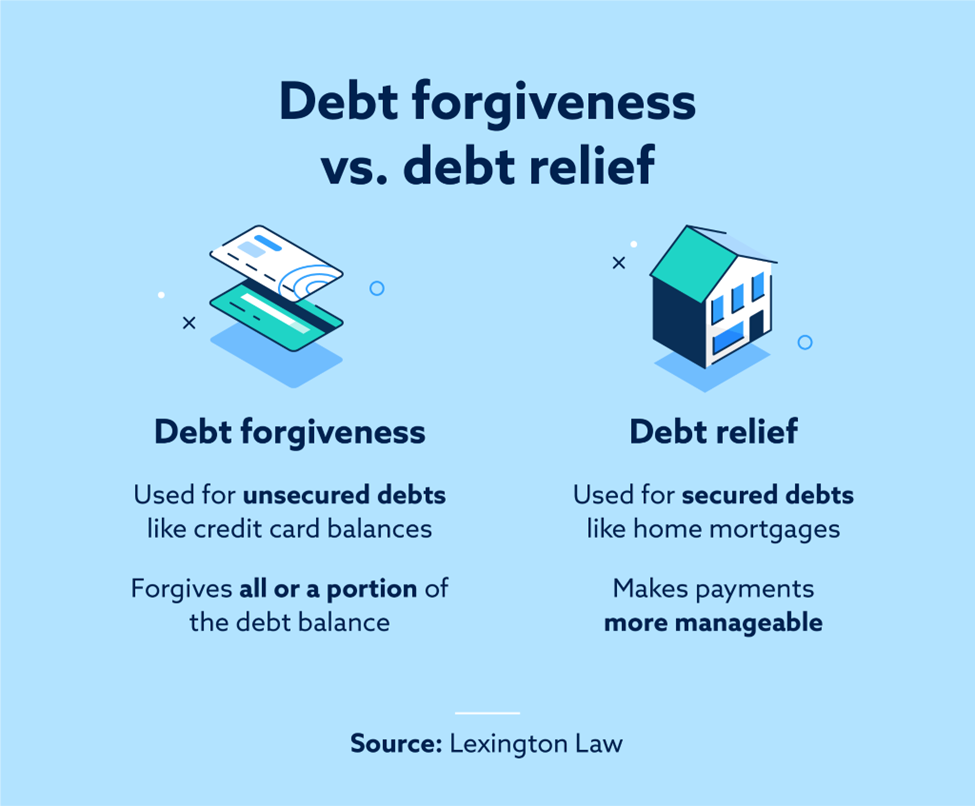
It is necessary to recognize that a discharge stands out from financial obligation mercy, and debt does not get "forgiven" through a personal bankruptcy filing. Our West Palm Coastline personal bankruptcy lawyers can clarify in even more information. Generally, "financial obligation mercy" refers to a situation in which a financial institution does not think it can accumulate the full amount of the financial obligation owed from a borrower, and either stops attempting to accumulate or accepts forgive an amount less than what the borrower owed as component of a debt settlement arrangement.
Everything about Understanding Your Legal Options Related to Bankruptcy Proceedings
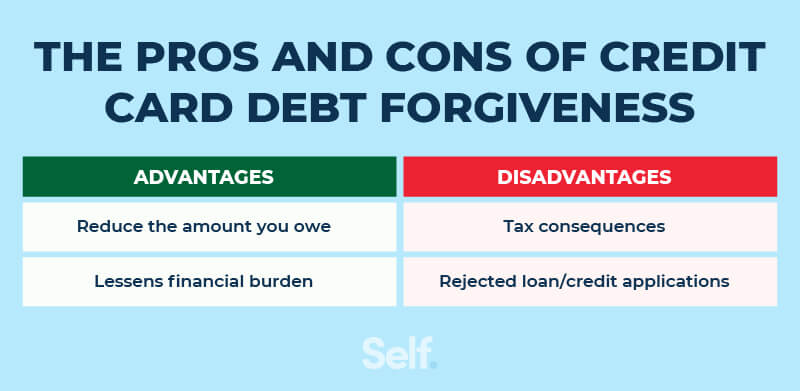
When this takes place, the debt will be taken into consideration "terminated" by the internal revenue service, and the debtor will commonly get a termination of debt develop the amount of debt forgiven is taxable. In a personal bankruptcy instance, financial debt is not forgiven by a lender. Instead, it is released by the insolvency court, and discharge has a various significance from debt forgiveness.

Table of Contents
Latest Posts

What Does "Debt Forgiveness Destroys Your Life" Corrected Do?
Safeguarding Yourself Against Bankruptcy Counseling Predatory Practices Fundamentals Explained
Little Known Questions About ROI of Professional Debt Counseling.
More
Latest Posts
What Does "Debt Forgiveness Destroys Your Life" Corrected Do?
Safeguarding Yourself Against Bankruptcy Counseling Predatory Practices Fundamentals Explained
Little Known Questions About ROI of Professional Debt Counseling.